Gothic: The Legacy of the Barrier and Why It Still Shapes Us

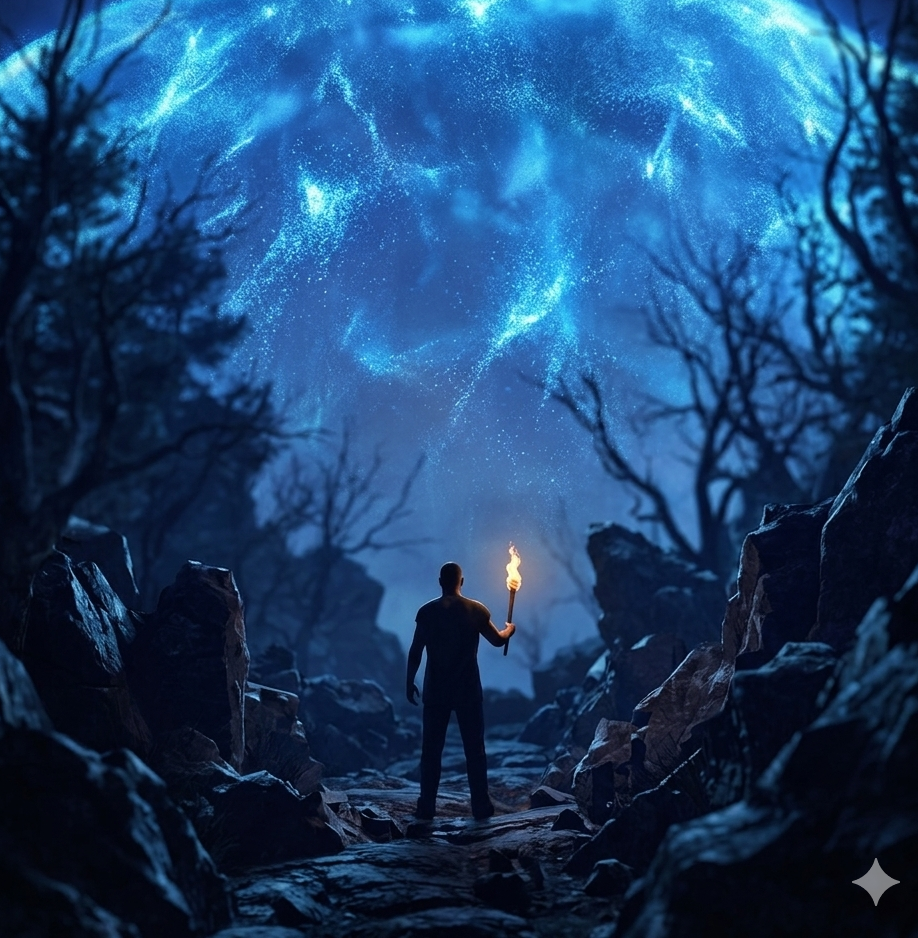
The Valley of Mines and the lessons it holds for our own lives. In this exploration, we decode the Legacy of the Barrier and why the struggle for freedom in Gothic remains a powerful blueprint for self-determination.
Whether you prefer to read or listen, the choice is yours. You’ll find the audio version right below.
Click play and dive in at your own pace.
🎧 Listen to the article(AI-generated voiceover)
"Welcome to the Colony. Now get lost."
With a punch to the face and a fall into murky water, your journey begins. No prophecy, no legendary sword, no destiny. Just a barrier of blue shimmering energy above you and the harsh reality of a convict’s life in front of you.
For many of us, Gothic by Piranha Bytes was a rough, unpolished teacher. It taught us that respect isn't a gift—it's earned in sweat and blood. In this first edition of Sparks, we dive into why this cult classic from the Ruhrpott area (Germany) became a psychological blueprint for resilience, and how the "roughness" of a virtual world can spark the fire of our own real-world growth.
The Vision Behind Gothic
Piranha Bytes didn’t want to create a polished fantasy world. Their goal was something different.
They built a world that feels harsh, grounded, and alive. No chosen hero at the beginning. No safety net. You enter the colony as a nobody, thrown into a system that doesn’t care about you.
This design follows a clear philosophy:
- You earn respect through action
- You learn by failure
- You grow through experience
The game doesn’t explain everything. It expects you to observe, adapt, and find your place. This approach creates something rare: a world that feels like it exists independently of the player.
That intention is what makes Gothic so impactful.
The Barrier as a Psychological Space
The magical barrier is a symbol.
You are trapped. Limited. Surrounded by danger. And yet, inside these boundaries, a strange form of freedom emerges.
This creates a powerful psychological tension:
- Isolation vs. belonging
- Restriction vs. exploration
- Fear vs. curiosity
You start weak, unsure, and exposed. The world pushes back. Every creature, every NPC, every decision reminds you that you don’t control this place.
But slowly, something changes.
You learn how the world works. You understand its rules. You find allies. You adapt.
And with that, the feeling shifts from helplessness to agency.
This is where Gothic connects deeply with real life. We all face our own “barriers” — limits, fears, systems we didn’t choose. Gothic doesn’t remove them. It shows what it means to grow within them until you’re ready to break through.
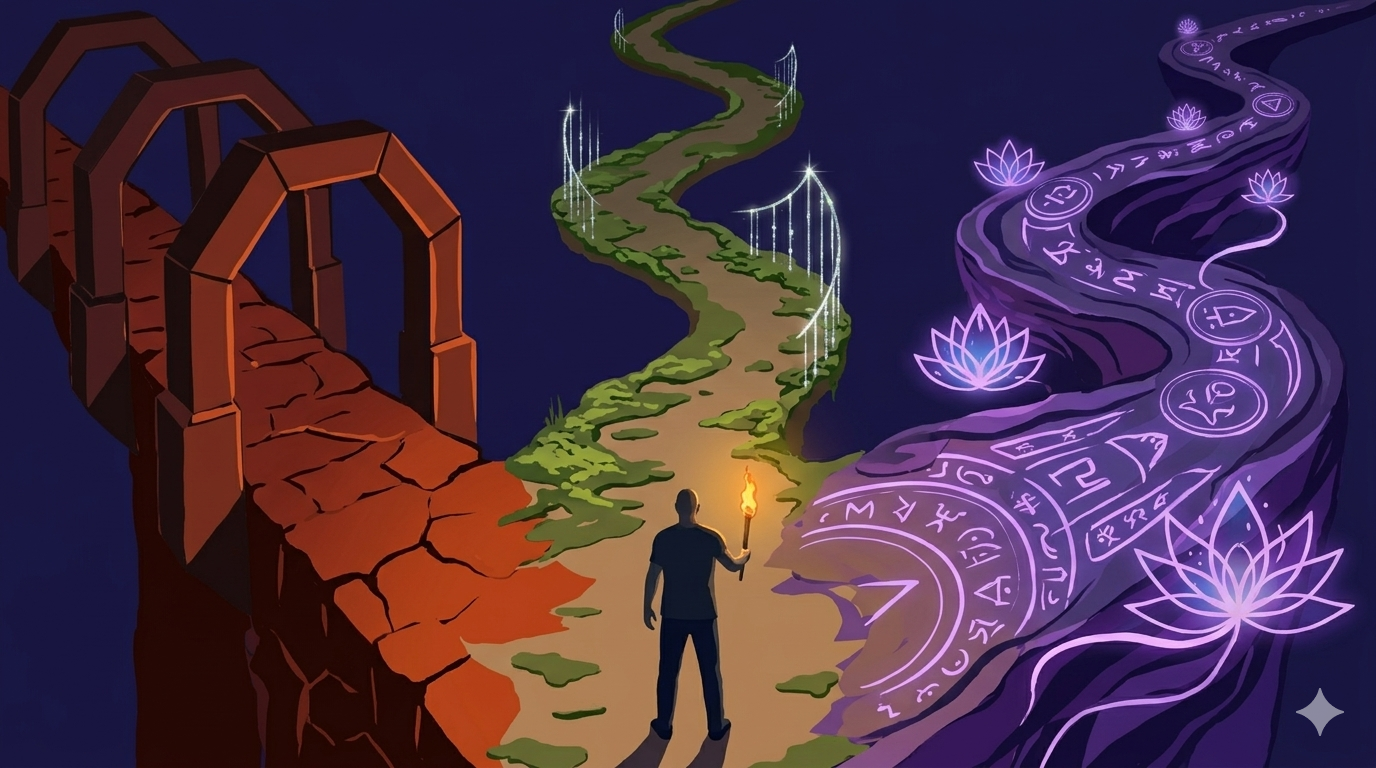
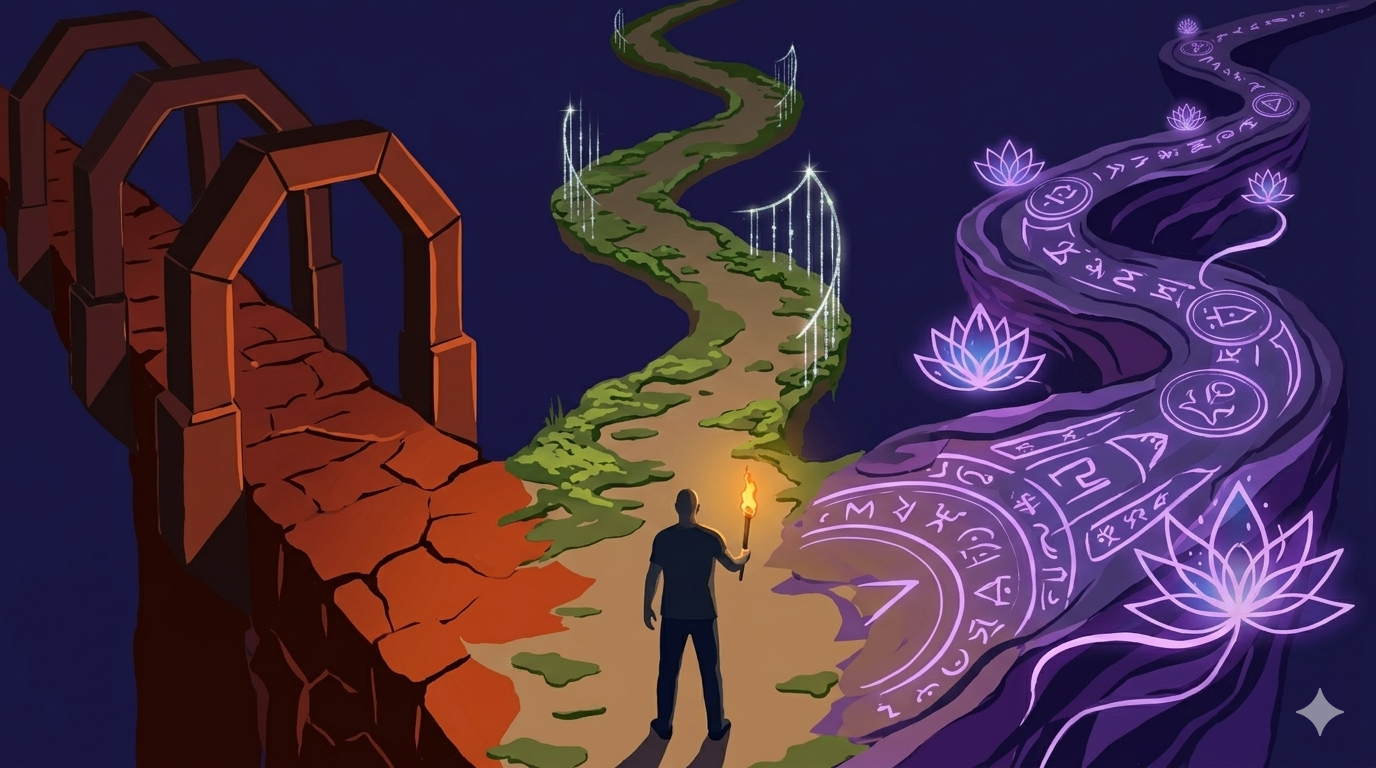
Choosing Your Path: Identity Within the System
One of the most defining moments in Gothic is the choice of which camp to join. It’s not just a gameplay mechanic; it’s a question of identity.
- The Old Camp: Seeking security within the established hierarchy.
- The New Camp: The raw desire for freedom, no matter the cost.
- The Sect Camp: Searching for spiritual meaning and a higher purpose to escape the grim reality.
This choice mirrors our real-world struggle: How do we position ourselves within the "camps" of our society, our families, or our careers? Gothic forces us to decide what we value more—safety, freedom, or meaning. It’s the first step from being a victim of the system to becoming an active participant in it.
Why It Feels So Real
One of the reasons Gothic leaves such a lasting emotional impact is its immersion.
NPCs have routines. Camps have structures. Characters react to your actions. You are not the center of the world—you are part of it.
This creates:
- A sense of belonging through effort
- A feeling of earning your place
- A world that responds instead of serving
The rough tone, direct dialogue, and grounded interactions add to this authenticity. There is no artificial politeness. People speak how they think. The world feels honest.
That honesty is what makes every small success meaningful.
The Hero’s Journey Without Illusions
Gothic follows a classic transformation, but without idealizing it.
You start as a prisoner. No power, no status, no control. Through struggle, failure, and persistence, you grow into someone who can influence the world.
This journey activates deep psychological patterns:
- Resilience – You fail, adapt, and try again
- Competence – Progress feels earned, not given
- Autonomy – You choose your path and alliances
- Identity – You become someone through your actions
It’s not just progression. It’s transformation.
And that’s where Sparks becomes visible. The game doesn’t just entertain—it mirrors a fundamental human experience: becoming capable in a world that doesn’t wait for you.
The Community and the Lasting Impact
Even today, players return to Gothic. Not because of graphics or modern systems, but because of how it feels.
The community keeps it alive through discussion, mods, and shared memories. There’s a clear reason for that:
Gothic offers something many modern experiences don’t—a world with resistance.
It doesn’t try to please you. It challenges you. And through that challenge, it creates connection, nostalgia, and meaning.
Turning the Experience Into Real Insight
Sparks is about taking something from what we experience. Gothic offers several clear takeaways:
- Growth comes from discomfort, not convenience
- Respect is built through action, not status
- Understanding a system is more powerful than fighting it blindly
- Progress feels meaningful when it is earned
- Even in harsh environments, connection matters
These are not abstract ideas. They are felt through gameplay.
That is why they stay.
Why Gothic Fits Into Sparks
Gothic represents exactly what Sparks is about.
A piece of media that goes beyond surface-level enjoyment and becomes something deeper. Something that shapes how we think, how we approach challenges, and how we understand growth.
It shows how interactive worlds can trigger real emotions, real reflection, and real insight.
Not by explaining—but by letting you experience it.
A Brief Reflection on the Studio
With the closure of Piranha Bytes, an important chapter of game development has come to an end.
But Gothic remains.
Not just as a game, but as a lasting influence. A reminder of what happens when creators follow a clear vision and trust the player to grow within it.
Conclusion
Gothic is an important cultural treasure—a gift to humanity that we can learn from for our own lives and our shared future.
It challenges, shapes, and stays with you long after the screen goes dark. It shows us that struggle, uncertainty, and resistance are not obstacles to be avoided—they are the very path to growth. That raw honesty is what makes it so powerful.
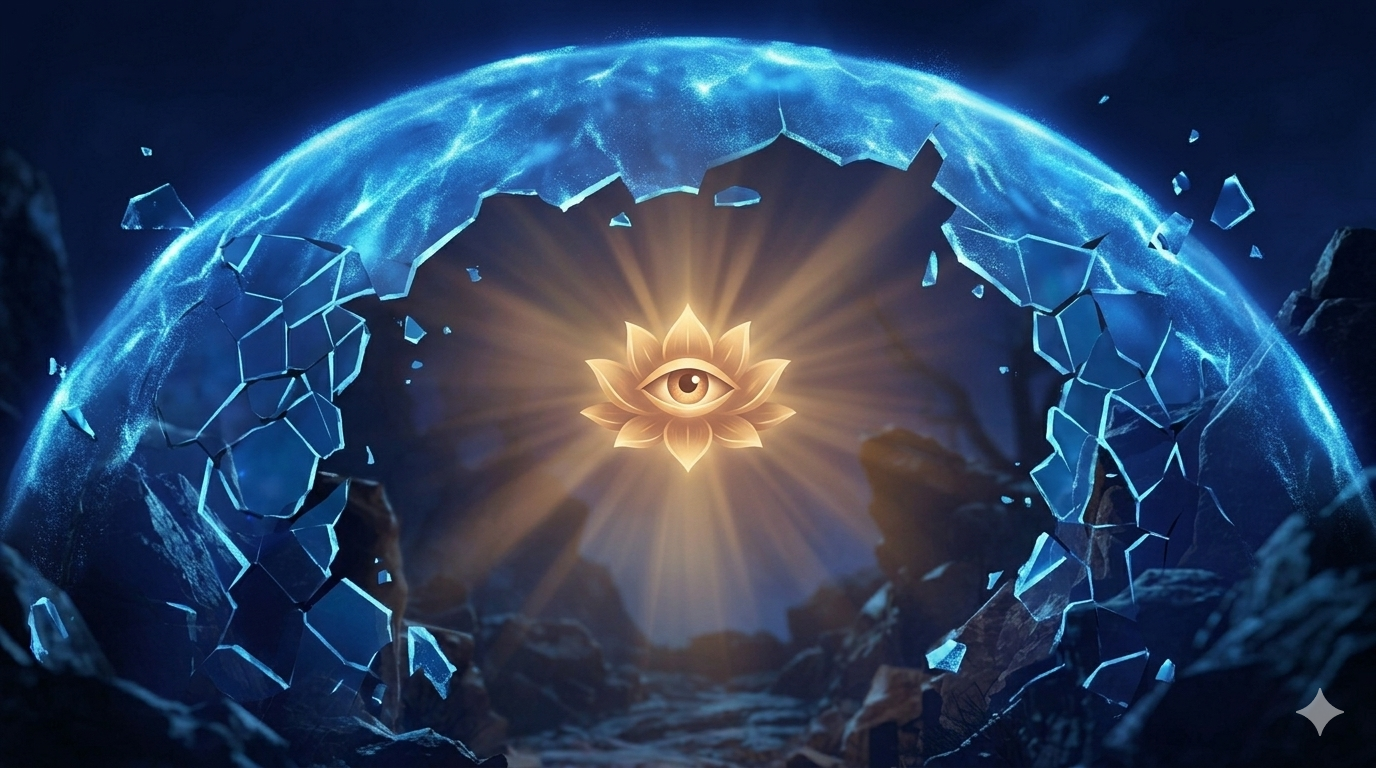
Take a moment to reflect on the experiences that shaped you. Think of the games, stories, or worlds that left a lasting imprint on your mind. There is always something deeper hidden within them: a pattern, a lesson, a spark waiting to be understood.
Legal Notice & Credits
Intellectual Property & Rights Disclaimer
This article is a creative fan-made tribute and analysis. All rights, titles, and intellectual property concerning Gothic (including characters, world design, names, and lore) originally created by Piranha Bytes belong entirely to THQ Nordic or their respective owners. No copyright infringement is intended.